

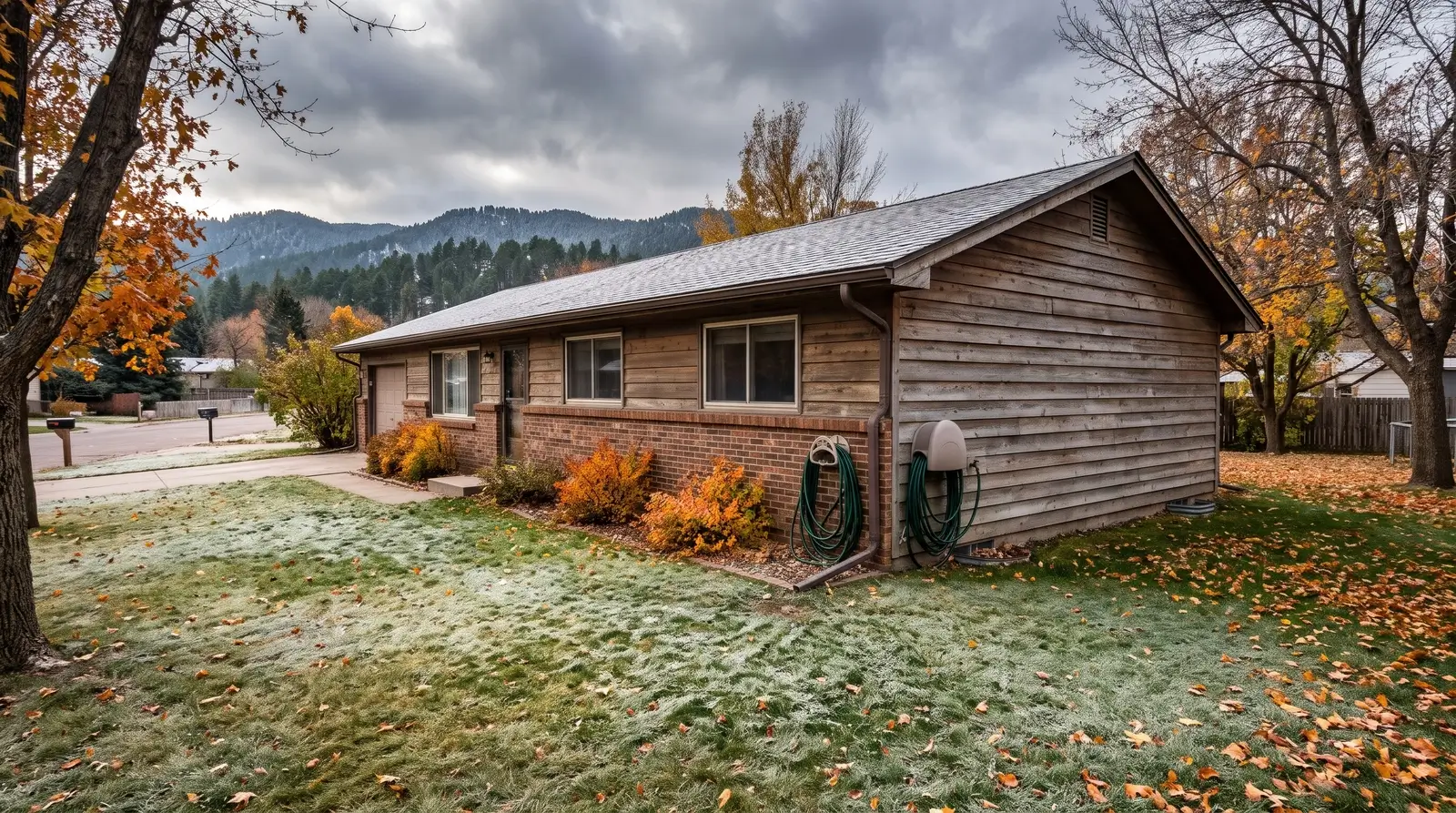
Rapid City winters keep owners on their toes. One week you get a mild, sunny afternoon thanks to a Chinook wind, and the next you wake up to single digits and a tenant calling about a pipe that burst overnight. Those quick swings are exactly what make winter prep so important here.
A frozen pipe or a furnace that quits in January isn't just an inconvenience. It can mean thousands of dollars in water damage, an emergency repair bill at holiday rates, and a tenant who starts thinking about moving out when the lease ends. Most of these problems are preventable with a little planning in the fall.
In this guide, we'll share the winterizing checklist we use for rental homes across Rapid City, Box Elder, Black Hawk, and Piedmont. You'll learn what to inspect outside and inside, how to protect vacant units, and what to tell your tenants so everyone does their part.
Key Takeaways
- Rapid City's first hard freeze (28°F) usually arrives in early October, so winter prep should start in September and wrap up before deep cold sets in.
- Quick temperature swings in the Black Hills region cause freeze-thaw damage to roofs, gutters, driveways, and foundations.
- Furnace service, pipe protection, and working smoke and carbon monoxide detectors should be at the top of every owner's list.
- Vacant rentals need extra attention, including steady heat and regular checks.
- Clear, written winter instructions help tenants prevent damage and know who handles snow removal.
Why Winterizing Matters So Much in Rapid City
According to the National Weather Service in Rapid City, the median date for the city's first 32°F freeze is late September, and the first hard freeze of 28°F typically comes around October 9. By November, most rentals in the area have already seen several nights below freezing, and the coldest stretch is still ahead.
What makes our area different is how fast things change. Visit Rapid City notes that Chinook winds can push winter days into the 50s or 60s, even when the rest of South Dakota is frigid. That sounds nice, but repeated melting and refreezing is hard on a home. Water gets into small cracks, freezes, expands, and slowly widens them. Over a few winters, that cycle can damage roofs, concrete, and foundations.
There's also a legal side. South Dakota law (SDCL 43-32-8) requires landlords to keep rental homes fit for living and in reasonable repair. A working heat source in winter is part of that duty, so a furnace failure is more than a maintenance issue. It's a problem you need to fix quickly.
Exterior Winterizing Checklist
- Disconnect and drain garden hoses. Shut off the water to outdoor spigots from inside if there's a valve, then open the spigot to let it drain. Add insulated covers for extra protection.
- Blow out sprinkler systems. Any water left in irrigation lines can freeze and crack pipes and valves.
- Clean gutters and downspouts. Clogged gutters lead to ice dams, which can push water under shingles and into the attic. Make sure downspouts direct water away from the foundation.
- Inspect the roof. Look for missing or loose shingles and damaged flashing around chimneys and vents. Small fixes now are much cheaper than a leak in February.
- Seal cracks in driveways and walkways. Filling small cracks before the freeze-thaw cycle keeps them from turning into trip hazards.
- Trim trees and branches. Heavy snow can bring limbs down on roofs, cars, and power lines.
- Check exterior lighting. Short winter days make working porch and walkway lights important for safety.
Interior Winterizing Checklist
- Schedule a furnace inspection. Have a licensed HVAC technician clean and service the system before the cold months. Replace filters, and give tenants a supply with instructions on when to change them.
- Test smoke and carbon monoxide detectors. Furnaces, water heaters, and fireplaces run more in winter, which raises carbon monoxide risks. Replace batteries and any detectors past their expiration date.
- Insulate exposed pipes. Pipes in crawl spaces, garages, basements, and exterior walls are the most likely to freeze. Foam pipe sleeves are inexpensive and easy to install.
- Seal drafts. Replace worn weatherstripping and caulk gaps around windows and doors. This keeps tenants comfortable and helps lower heating bills.
- Flush the water heater. Removing sediment helps it run efficiently when demand is highest.
- Clean the dryer vent. Lint buildup is a fire risk at any time of year, and dryers get heavy use in winter.
- Inspect fireplaces and chimneys. If your rental has a wood-burning fireplace, have the chimney cleaned and inspected before use.
How to Protect a Vacant Rental in Winter
Empty homes are at the highest risk because no one is there to notice a problem. A small leak can run for days before anyone sees it. If your rental is between tenants this winter, follow these steps:
- Keep the heat on and set no lower than 55°F.
- Open cabinet doors under sinks so warm air reaches the pipes.
- Schedule regular check-ins, at least weekly and after any major cold snap.
- Consider a smart thermostat or water leak sensors that send alerts to your phone.
- If the home will sit empty for a long time, talk with a plumber about shutting off and draining the water system.
- Review your insurance policy. Some policies limit coverage for freeze damage in vacant homes.
What to Tell Your Tenants Before Winter
Your tenants are your first line of defense. A short winter letter or email in the fall can prevent a lot of damage. Include these points:
- Keep the heat set to at least 55°F, even when traveling.
- During extreme cold, open cabinet doors under sinks and let faucets drip slightly.
- Know where the main water shutoff valve is.
- Report heating problems, leaks, or drafts right away through the online maintenance request system.
- Replace furnace filters on schedule if that's part of the lease.
- Understand who handles snow and ice removal.
That last point matters. Rapid City requires property owners to clear sidewalks within one day after a snowfall ends, according to KOTA Territory News. Sidewalks that aren't cleared can be declared a nuisance, and the owner may be cited. Your lease should clearly state whether the tenant or the owner is responsible, and owners should follow up to make sure it gets done.
The Costs and Benefits of Winter Prep
Winterizing does cost money. A furnace tune-up, gutter cleaning, and a few hours of handyman work can add up, especially if you own several properties. Some owners also find it hard to schedule contractors in the fall, when everyone is booking the same services.
Still, the math almost always favors prevention. A burst pipe can cause water damage that takes weeks to repair, leaves the unit unlivable, and may lead to an insurance claim. A well-maintained home also keeps tenants happier, which helps with renewals and cuts down on vacancy. For most owners, a few hundred dollars in prep is much easier to plan for than an emergency in the middle of January.
Frequently Asked Questions
Is it too late to winterize if the first freeze has already passed?
No. The first hard freeze is usually just the start. December through February bring the longest cold stretches, so finishing your checklist in November still protects your property.
Who pays for frozen pipe repairs, the owner or the tenant?
It depends on the cause. Owners usually cover repairs from normal wear or poor insulation. If a tenant turned off the heat or ignored lease instructions, they may be responsible. Clear lease terms help avoid disputes.
How often should a furnace be serviced?
Once a year is a good rule, ideally in early fall before heavy use.
Should tenants be allowed to use space heaters?
Space heaters can be a fire risk. If you allow them, set rules in the lease, such as using only models with automatic shutoff and keeping them away from curtains and furniture.
Let The Kahler Team Keep Your Rental Winter-Ready
Winterizing a rental takes time, the right vendors, and someone who can respond fast when the weather turns. For owners who live out of town or manage more than one property, that can be a lot to handle alone.
At The Kahler Team, we handle seasonal maintenance for rental homes across Rapid City and the surrounding communities. We schedule inspections, work with trusted local vendors, send tenants clear winter guidelines, and let residents report maintenance issues online anytime. When a cold snap hits, we're already on it. Contact The Kahler Team today to learn how our property management services can protect your investment year-round.